Hangzhou is the capital and most populous city of Zhejiang Province, located in the northwestern part of the province at the head of Hangzhou Bay. Known since ancient times for its natural beauty and prosperity, it famously holds the esteemed title of "Heaven on Earth" (alongside Suzhou), and is celebrated as the "Capital of Tea" and the "City of Silk".
With a history spanning over 2,200 years, Hangzhou is one of the Seven Ancient Capitals of China. It served as the capital of the Wuyue Kingdom and the Southern Song Dynasty. The city's prosperity and breathtaking scenery famously captivated the Italian explorer Marco Polo, who described it as "the finest and most splendid city in the world." It has long been a cultural hub, inspiring countless poets, scholars, and artists throughout Chinese history.
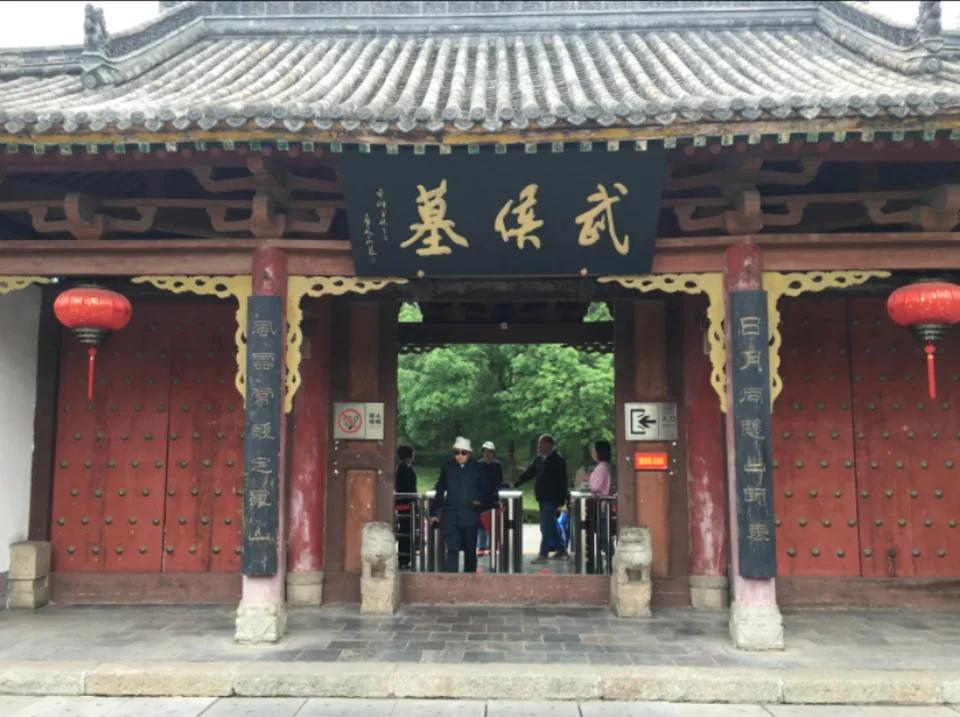
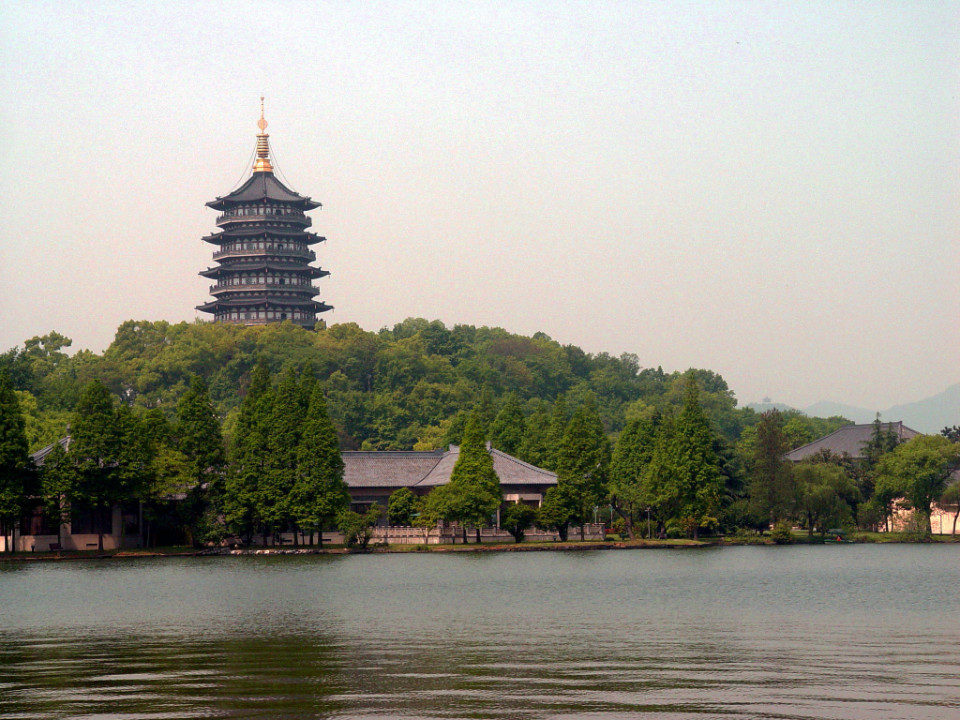
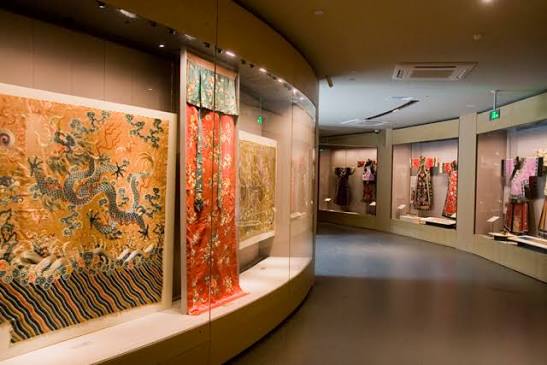
The city is rich in historical and cultural heritage, boasting renowned sites such as Lingyin Temple, Leifeng Pagoda, the Six Harmonies Pagoda, the National Silk Museum, and the ancient Beijing-Hangzhou Grand Canal. These landmarks attract countless history enthusiasts and tourists, serving as vivid reflections of Hangzhou's enduring legacy and splendid culture.
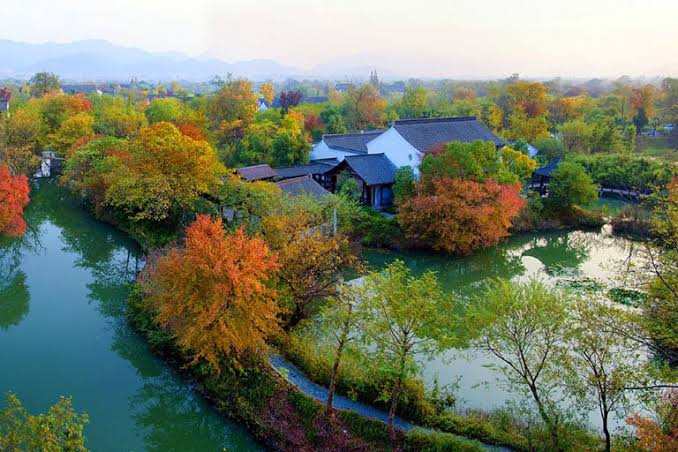
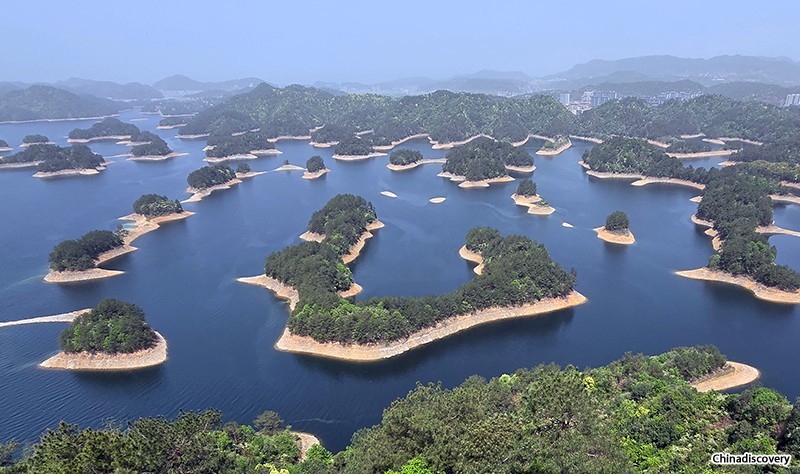
In addition to its cultural significance, Hangzhou is blessed with captivating natural beauty. Its centerpiece is the world-renowned West Lake (Xihu), a UNESCO World Heritage site celebrated for its classic Chinese landscapes and tranquil waters. Other spectacular natural attractions include the Xixi National Wetland Park, the scenic Qiantang River (famous for its massive tidal bore), and the stunning Qiandao Lake (Thousand Island Lake). This unique combination of historical richness and natural splendor makes Hangzhou a popular and rewarding destination for travelers.
More information about Hangzhou can be found at the following sites: